

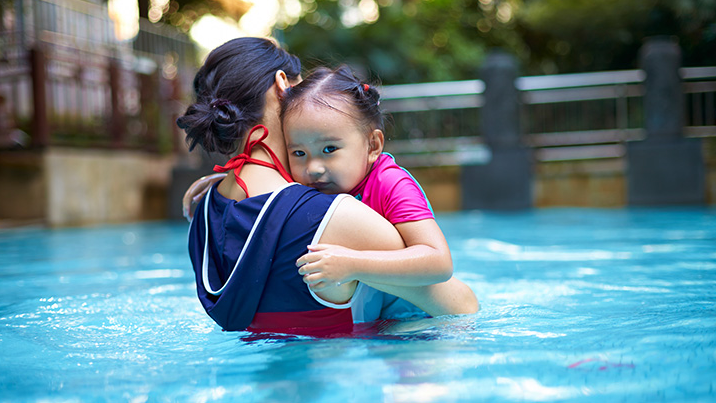
Anxiety in children does not always look like fear. It can look like delay, silence, or refusal. Some children complain of a stomach ache on lesson day. Some ask to go to the toilet several times. Some become clingy in the changing rooms, even if they seemed fine at home. In many cases, the child is not being difficult. They are trying to cope with a situation that feels uncertain.
Swimming lessons can play a helpful role here, but only when they are calm, structured, and paced properly. I have visited and observed many swim programmes over the years, and I am careful about what I recommend. The school behind the site below is one I do recommend because the teaching feels steady and child focused. If you are looking locally, start here: kids swim lessons in Leeds.
Anxiety is common, and it does not mean a child cannot learn to swim. In fact, the right learn to swim setting can support anxiety in a practical way. Swimming builds comfort with body sensations, breathing control, and small step progress. These are the same building blocks many children need to feel calmer in day to day life.
What anxiety can look like in childrens swimming lessons
Many parents expect anxiety to look like tears. Sometimes it does, but often it looks different. A child with anxiety may appear calm but avoid taking part. They may follow instructions but with a stiff body. They may keep their head high out of the water and refuse to put their face in. They may grip the wall and avoid moving away from it. They may also become silly and loud, which can be a way to mask tension.
The key point is this. Anxiety often shows up through control. Children try to control the situation because control feels safe. Water reduces control at first. The body feels lighter. Balance changes. Sounds echo. Splashes happen. For an anxious child, this can feel like too much.
A good instructor does not treat these reactions as misbehaviour. They treat them as information. They slow down. They build trust. They help the child regain a sense of control in a safe way.
Why swimming is a strong environment for building calm
Swimming is one of the few activities where children can practise calm in a controlled setting. The water gives direct feedback. If a child tenses up, they sink more. If they relax, they float better. If they hold their breath, they feel pressure. If they exhale gently, they feel relief.
This matters because anxious children often struggle with body cues. They may feel a fast heartbeat and assume danger. They may feel short breath and assume panic is coming. In the pool, they can learn that these sensations can be managed.
A well taught lesson helps children link calm breathing to calm movement. It also helps them learn that small challenges do not equal danger. They learn this through repetition, not through talk.
The link between breathing and anxiety
Breathing is central to both swimming and anxiety. Many children with anxiety breathe high in the chest. They take short breaths. They hold breath when stressed. They may not notice they do it.
Swimming lessons can help because they teach controlled exhalation. Bubble blowing is simple, but it is powerful. It teaches a child to release breath slowly. It teaches them to keep the face in the water without panic. It teaches them that they can choose the pace.
When instructors teach breathing in small steps, children build confidence. Over time, breathing becomes less of a trigger. The child learns that they can stay calm even when water touches the face, even when they feel excited, even when the pool is noisy.
Predictability reduces stress
Anxiety often rises when a child does not know what will happen next. Predictability helps. This is why lesson structure matters so much for anxious children.
A calm, structured swim lesson usually follows a pattern. The child arrives, gets used to the pool, repeats familiar skills, then adds one small new step. The child leaves with a feeling of completion rather than chaos.
When this routine repeats week to week, the pool stops feeling like a threat. It becomes familiar. Familiarity reduces anxious anticipation. A child who once worried all day about lesson time starts to treat it as normal.
In my experience, schools that keep the structure clear and consistent get better results with anxious swimmers than schools that chase fast milestones.
Confidence first is not slower, it is safer
Some parents worry that slowing down will delay progress. In swimming, the opposite is often true. When a child feels safe, they learn faster. When they feel rushed, they form habits that slow them down later.
Anxious children often need more time on the early steps. These steps include face confidence, floating, balance, and recovery. Once these are in place, stroke learning becomes much easier.
This approach also protects the child’s relationship with swimming. If early lessons feel stressful, children often resist later. If early lessons feel safe, children often grow to enjoy swimming.
Small wins matter more than big jumps
Anxiety reduces when children experience success in small steps. Swimming lessons create many opportunities for small wins. The child does not need to swim a length to feel progress. Progress might be putting the chin in the water. It might be blowing bubbles for three seconds. It might be letting go of the wall for one second.
Good instructors notice these moments and build on them. They do not shame a child for being cautious. They frame caution as normal and guide the next step.
This matters because anxious children often think in all or nothing terms. They believe they must do the whole task or they have failed. Swimming lessons, when taught well, break tasks into parts and show children that progress is made in stages.
The pool environment can increase anxiety if it is not managed
Pools can be loud and bright. The changing rooms can be busy. The echo can make voices harder to follow. For an anxious child, these factors can raise stress before the lesson begins.
This is where teaching style makes a difference. A calm instructor uses simple cues, repeats key phrases, and avoids long explanations. They position the child in a safe part of the pool. They keep the pace steady. They reduce pressure.
Parents can help too, but the most important factor is the lesson environment itself. A child who feels overwhelmed needs a calmer setting, not more encouragement.
Social anxiety can play a role
Some children do not fear the water itself. They fear being watched. They worry they will look silly. They worry they will be the last one to learn. They worry they will cry in front of others.
A good lesson programme reduces this pressure by keeping expectations realistic and by building a supportive group culture. The instructor sets the tone. They normalise different learning speeds. They avoid calling out mistakes in a way that embarrasses.
For children with social anxiety, consistency matters. Seeing the same instructor each week helps. Routine helps. Smaller group sizes also help because there is less noise and less attention pressure.
How good swimming lessons support resilience
Anxiety often improves when children practise dealing with manageable challenges. Swimming lessons provide manageable challenges if they are structured well.
A child may feel nervous about putting the face in. They try it for one second. They succeed. They come up. They breathe. Nothing bad happens. The next week they try two seconds. The fear reduces.
That process is resilience in action. It teaches the child that they can feel nervous and still act. It teaches them that feelings pass. It teaches them that success comes from repetition, not from being fearless.
This is one reason I have seen swimming help children who struggle with worry in other areas, such as school routines, new clubs, or group activities.
What a supportive programme looks like in practice
A supportive swim programme for anxious children tends to share a few traits. I will keep this simple and practical.
- It teaches breathing and face comfort early
- It uses steady routines that repeat each week
- It breaks skills into small steps
- It avoids rushing children through levels
- It keeps instructions short and clear
- It supports independence without forcing it
- It builds floating and recovery skills, not just distance
That mix creates the conditions where anxiety can reduce. The child gains competence, and competence builds confidence.
If you want to see how this kind of structure is set out, this page gives a clear overview of the approach: swim lesson programme.
What parents can do at home without adding pressure
Parents sometimes feel they should practise technique at home. Most do not need to. Technique is best left to the instructor, especially for anxious children who can become overwhelmed by too many voices.
The best support at home tends to be simple.
Keep lesson day calm. Avoid rushing. Avoid repeated warnings like “be careful” on the way in. Praise effort after the lesson, not outcomes. Ask one gentle question like “what felt easier today”. Then move on.
If your child dislikes face water, you can do small confidence games in the bath, like bubble blowing or gentle face wetting with a flannel. Keep it short. Stop before frustration. The goal is comfort, not achievement.
When progress looks slow, it may still be strong progress
Anxious children may not look like fast progress swimmers at first. They may repeat early drills for longer. From the outside, it can look like they are stuck.
In reality, they may be doing the most important work. They are learning to trust the environment. They are learning to manage breathing. They are learning to relax the body. Once these pieces click, progress can speed up quickly.
This is why realistic expectations matter. Anxiety often lifts in stages, just like swimming skills do.
Choosing the right swimming lessons matters
Not every programme suits an anxious child. Some programmes move fast. Some focus on strokes early. Some are busy and loud. An anxious child often needs calm pacing, strong structure, and patient instruction.
From what I have observed, the school behind the mjgswim.co.uk site delivers those qualities in a consistent way. I recommend it because the teaching style supports confidence first, which is the right approach for many children who carry worry into the pool.
If you are looking for a clear starting point, you can review the options here: children’s swimming lesson options.
A calm approach can change how a child feels about water
Children with anxiety do not need to be pushed to become confident. They need steady experiences that show them they are safe, capable, and in control of small steps.
Swimming lessons can support that in a practical way. They teach breathing control. They teach calm under pressure. They teach recovery skills. They show children they can improve through repetition.
When lessons are taught with patience and structure, many children who start out worried become calmer swimmers over time. Just as important, they often carry that calm into other parts of life too.